
Imagine a classroom where no student is bored waiting for others to catch up, and no student is left behind struggling with concepts everyone else already understands. This is the promise of adaptive learning technology benefits for students — a shift from one-size-fits-all teaching to education that adjusts itself to every learner’s pace, strengths, and needs. In 2026, adaptive learning has moved from an experimental idea to a mainstream force in schools, universities, and corporate training programs around the world.
In this complete guide, we will explore what adaptive learning technology is, how it works under the hood, the benefits it delivers for students, what the latest research actually shows, the challenges schools must navigate, and how institutions can implement it successfully. Whether you are a teacher, a parent, a school administrator, or simply curious about the future of education, this article will give you a clear, evidence-informed picture of personalized learning at scale.
What Is Adaptive Learning Technology?
Adaptive learning technology refers to educational software that uses artificial intelligence, data analytics, and learning science principles to tailor instruction to each individual student in real time. Instead of every student receiving the same lesson in the same order at the same pace, an adaptive platform continuously observes how a learner performs and adjusts the difficulty, sequence, and format of content accordingly.
The core idea is simple but powerful: meet every student where they are. A student who has already mastered basic fractions does not need to sit through five more worksheets on them — the system moves them ahead to decimals or algebra. A student who keeps missing questions about long division gets additional explanations, worked examples, and easier prerequisite problems until the concept clicks. This individualized approach mirrors what an expert human tutor does in a one-on-one session, but delivers it to an entire classroom simultaneously.
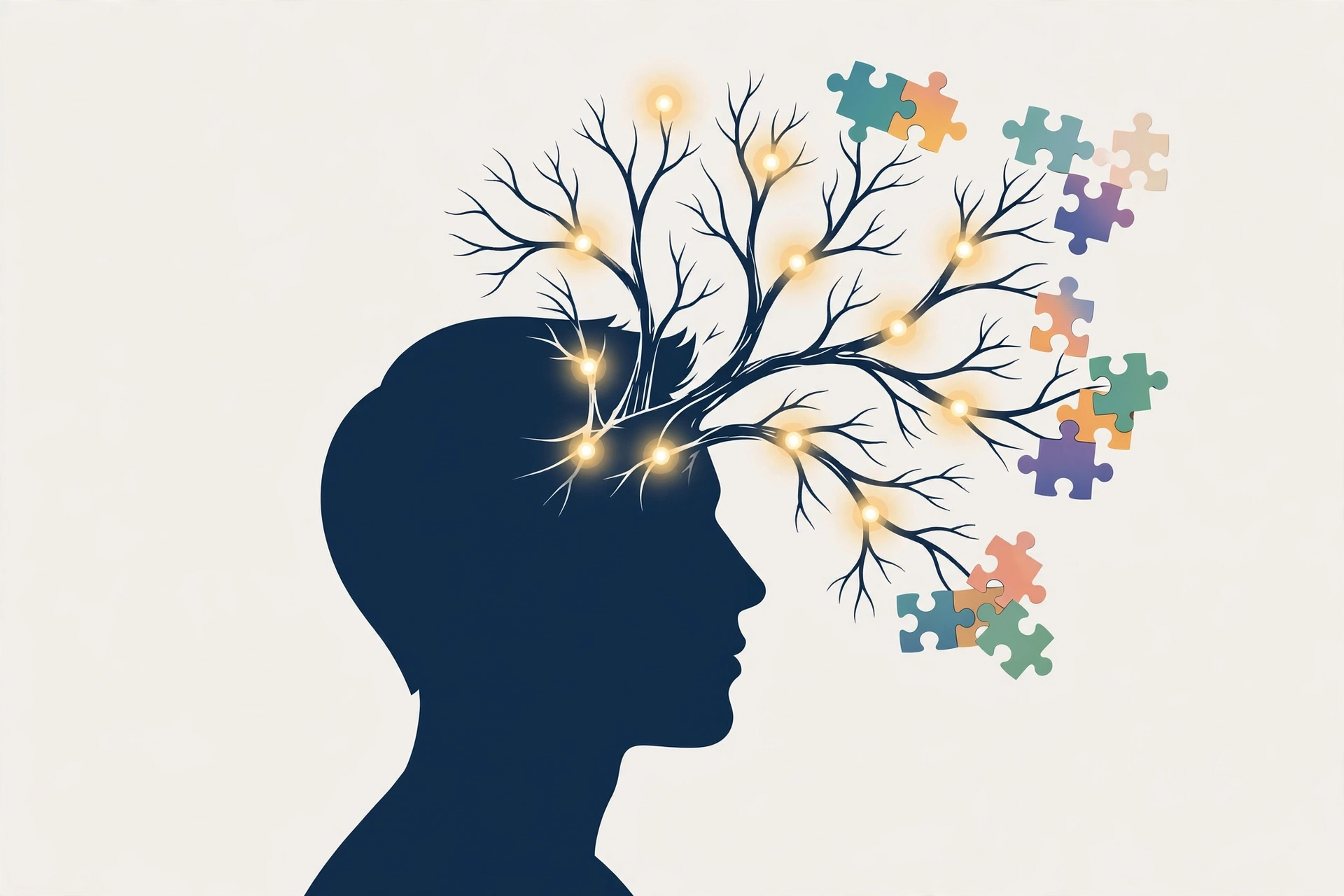
Modern adaptive platforms typically combine three ingredients: a knowledge model that maps out concepts and their prerequisites, a learner model that tracks what each student knows and how they learn, and an adaptation engine that decides what to present next. Together, these components create a dynamic feedback loop where every interaction generates data, and every piece of data improves the next recommendation.
How Adaptive Learning Technology Works
Understanding the mechanics behind adaptive learning helps explain why it can be so effective. While platforms differ in their details, most share a similar architecture built on continuous assessment and intelligent sequencing.
Continuous Assessment and Knowledge Tracing
Traditional classrooms rely on occasional tests and quizzes to measure understanding. Adaptive systems, by contrast, assess constantly and invisibly. Every question a student answers, every hint they request, every second they spend on a problem feeds into a probabilistic model of their knowledge — a technique researchers call knowledge tracing.
Knowledge tracing algorithms estimate the probability that a student has mastered each skill in the curriculum. When a student answers correctly and quickly, the estimated mastery rises; when they struggle or need multiple attempts, it falls, and the system responds. Some platforms use Bayesian models, while newer systems employ deep learning approaches that also consider response patterns, error types, and even time-of-day effects. The result is a living map of what each learner knows right now — not what they knew at the last exam.
Personalized Learning Pathways
Once the system has an estimate of student knowledge, it must decide what to do next. This is where the adaptation engine comes in. Instead of a fixed chapter order, students follow personalized learning pathways that branch based on performance. Master a concept quickly, and the pathway accelerates toward more advanced material. Struggle with a prerequisite, and the system detours into targeted review before returning to the main topic.
This branching approach is grounded in a classic idea from educational psychology: the zone of proximal development. Learning is most effective when tasks are challenging but achievable — not so easy they bore, not so hard they frustrate. Adaptive systems aim to keep every student inside that zone at all times, adjusting difficulty up and down in small increments.
Real-Time Feedback and Teacher Dashboards
Immediate feedback is one of the strongest drivers of learning, and adaptive platforms deliver it at a scale no human teacher can match. Students learn right away whether their answer was correct, and many systems provide step-by-step hints or alternative explanations when they get stuck. This tight feedback loop prevents misconceptions from hardening into habits.
Crucially, teachers are not removed from this process — they are empowered by it. Real-time dashboards show which students are thriving, which are stuck, and which specific skills need reteaching. Instead of discovering a problem on Friday’s test, a teacher can spot it on Tuesday morning and intervene the same day. This shifts teaching from reactive to proactive, freeing educators to do what they do best: mentor, motivate, and explain.
Key Benefits of Adaptive Learning Technology for Students
The adaptive learning technology benefits for students span academic performance, engagement, confidence, and equity. Here are the most important advantages, supported by classroom experience and research.
- Individualized pacing: Students advance at their own speed. Fast learners are not held back, and slower learners are not rushed past foundational concepts they have not yet mastered. Everyone moves forward from where they actually are.
- Mastery before progression: Many platforms require demonstrated mastery of prerequisites before unlocking advanced topics. This prevents the shaky foundations that cause students to fall further behind over time.
- Higher engagement: Because content stays in the optimal difficulty zone, students experience more frequent success and fewer frustrating dead ends. Interactive, self-paced modules keep learners actively involved rather than passively listening.
- Closing achievement gaps: Adaptive systems are particularly powerful for students who are behind grade level. Evaluations of personalized adaptive learning programs in government schools have shown that the weakest students often gain the most, effectively catching up where they lag.
- Support for diverse learners: Students with learning disabilities, language barriers, or different learning styles benefit from alternative explanations, adjustable formats, and patient, judgment-free repetition. Speech-to-text, text-to-speech, and multilingual features extend accessibility further.
- Immediate, private feedback: Students can make mistakes without embarrassment. The system corrects gently and immediately, which encourages experimentation and reduces the anxiety that public errors can cause.
- Better use of teacher time: By automating routine practice, grading, and differentiation, adaptive platforms free teachers to focus on small-group instruction, mentoring, and the human connections that technology cannot replace.
- Learning that fits any schedule: Many adaptive tools work on tablets and phones, allowing students to continue learning at home, in after-school programs, or in areas with limited school infrastructure.

Real-World Examples of Adaptive Learning Platforms
Adaptive learning is not a distant future concept — millions of students already use these platforms every day. Here are some of the most prominent examples.
Khan Academy and Khanmigo
Khan Academy’s mastery-based practice system has long adjusted exercise difficulty based on student performance. Its AI tutor, Khanmigo, takes personalization further by acting as a conversational guide: it asks probing questions, offers scaffolded hints, and backtracks to prerequisite skills when a student struggles. According to Khan Academy’s research, the platform supports tens of millions of active learners globally, making high-quality tutoring accessible to students who could never afford a private tutor.
DreamBox Learning
DreamBox provides adaptive K-8 math programs that adjust automatically to each student’s skill level. Rather than simply changing problem difficulty, the platform adapts its teaching strategies — offering visual models, different representations, and alternative problem-solving approaches based on how the student interacts with the content. Reported outcomes include significant improvements in student growth measures compared to peers using non-adaptive tools.
Duolingo
Duolingo’s language courses are a consumer-facing showcase of adaptive learning at massive scale. The platform’s algorithms analyze hundreds of millions of practice sessions daily to optimize spaced repetition, identify common error patterns, and personalize lesson sequences. Its half-life regression algorithm predicts the optimal moment to review each vocabulary item, and internal research suggests this approach substantially reduces the average time to language proficiency compared to traditional study methods.
Arizona State University’s Adaptive Courseware
At the university level, Arizona State University’s move to adaptive courseware for College Algebra is one of the most cited success stories. After the switch, the course pass rate rose from 57 percent to 79 percent — a transformation achieved not by lowering standards but by giving each student a personalized path through the material with continuous feedback and support.
What the Research Says About Adaptive Learning Outcomes
Marketing claims in educational technology often outrun the evidence, so it is worth asking what rigorous research actually shows about adaptive learning.
The broad picture is encouraging. Compilations of education statistics report that adaptive learning software has improved student test scores by around 15 percent in studied implementations, with personalized learning boosting math proficiency by more than 20 percent in some trials. A 2026 meta-analysis of technology-enhanced and AI-supported instruction found a large positive pooled effect on student learning outcomes across eleven studies from multiple countries, concluding that interactive, feedback-rich digital instruction consistently helps learners do better than peers in traditional settings.
Some of the most striking evidence comes from developing-world deployments. An evaluation of Personalised Adaptive Learning (PAL) software in government schools in Andhra Pradesh, India — conducted by the Development Innovation Lab at the University of Chicago — found that students using the software learned roughly twice as much as comparable students, with the biggest gains among the weakest learners. Nobel laureate Michael Kremer, who leads the lab, has publicly recommended that policymakers adopt PAL in schools, noting that the technology succeeds by meeting each student at their current level.
That said, honest researchers urge measured expectations. Reviews of ed-tech personalization efforts, including studies of U.S. schools by organizations like the RAND Corporation, generally find real but modest effects — genuine improvements, but not the dramatic transformations some vendors promise. The most sensible conclusion is that adaptive learning is a genuinely useful tool among several, amplifying good teaching rather than replacing it.

Challenges and Limitations of Adaptive Learning
For all its promise, adaptive learning technology brings real challenges that schools must address thoughtfully.
Data Privacy and Security
Adaptive systems collect detailed data about children’s learning behaviors, performance, and sometimes even engagement patterns. Protecting this sensitive information is essential. Schools should complete privacy reviews with vendors — covering regulations such as FERPA and COPPA where applicable — and confirm data-handling commitments in writing before any purchase or deployment.
The Digital Divide
Adaptive learning depends on devices and connectivity. Schools and districts with fewer resources may struggle to provide every student with a device, and studies of PAL deployments have shown that students with their own tablet learn substantially more than those who must share. Without deliberate investment in access, adaptive technology could widen rather than narrow educational inequality.
Algorithmic Bias and Transparency
The algorithms that decide what a student sees next are rarely transparent. If training data or design choices embed biases, the system could systematically disadvantage certain groups of learners. Regular audits of model behavior, clear vendor disclosure about how recommendations work, and human oversight of placement decisions are important safeguards.
Over-Reliance and the Teacher’s Role
There is a risk that schools treat adaptive software as a substitute for teaching rather than a tool for teachers. The evidence consistently shows the best results when educators remain actively involved — monitoring dashboards, leading small-group interventions, and providing the motivation and human connection that software cannot. Professional development is as important as the software license itself.
Academic Integrity Concerns
As AI tools become more capable, distinguishing genuine student work from AI-assisted work grows harder. Many educators are responding by shifting toward process-based assessment, oral examinations, and in-class demonstrations of understanding — changes that complement rather than conflict with adaptive learning.
How Schools Can Implement Adaptive Learning Successfully
Adopting adaptive learning technology works best as a planned strategy, not an impulse purchase. Schools and districts considering the move should follow these practical steps:
- Define the learning problem first: Identify specific gaps — low math proficiency, wide ability ranges in a classroom, limited tutoring capacity — and choose tools designed to address them.
- Start with a pilot: Test the platform in a few classrooms before a full rollout. Measure outcomes against a comparison group and gather teacher feedback.
- Invest in infrastructure: Ensure reliable devices, connectivity, and technical support. One device per student makes a measurable difference.
- Train teachers thoroughly: Provide professional development on interpreting dashboards, integrating the platform into lesson plans, and using data for targeted interventions.
- Vet privacy and security: Require vendors to document compliance with applicable student privacy regulations and data-retention policies.
- Involve parents and students: Explain what the technology does, what data it collects, and how it helps. Transparency builds trust.
- Monitor and evaluate continuously: Track not just usage but learning outcomes, engagement, and equity of access. Adjust the implementation based on what the data shows.
The Future of Adaptive Learning Technology
Looking ahead, adaptive learning is likely to become more conversational, more multimodal, and more deeply integrated into everyday schooling. AI tutors are evolving from question-answering tools into persistent learning companions that follow a student across subjects and years, building a long-term understanding of their strengths, interests, and goals. Voice interfaces and real-time translation are making adaptive content accessible to younger learners and non-native speakers. Knowledge graphs and learning analytics are enabling systems to model not just what a student knows, but how concepts connect — allowing recommendations that build genuine understanding rather than isolated skills.
Perhaps most importantly, the cost of personalization is falling. Where one-on-one tutoring once cost dozens of dollars per hour, AI-powered adaptive tutoring now costs a few dollars per student per year in some implementations. If deployed equitably, this could make high-quality individualized instruction available to students who have historically been locked out of it — a genuinely transformative prospect for global education.
Conclusion
Adaptive learning technology represents one of the most significant shifts in education since the printed textbook: instruction that adapts to the learner instead of forcing the learner to adapt to it. The benefits for students — individualized pacing, mastery-based progression, higher engagement, narrowed achievement gaps, and accessible support for diverse learners — are real and increasingly well documented. Yet the technology is a tool, not a miracle. Its success depends on thoughtful implementation, protected student data, equitable access, and teachers who remain at the heart of the learning process.
For schools willing to invest the effort, adaptive learning offers a practical path toward the oldest ideal in education: teaching every student as an individual. In 2026, that ideal is finally becoming achievable at scale.
Frequently Asked Questions
What is adaptive learning technology in simple terms?
Adaptive learning technology is educational software that automatically adjusts the difficulty, order, and style of lessons based on how each student performs. It personalizes the learning experience so every student works at the right level for them.
How does adaptive learning differ from regular online learning?
Regular online learning usually presents the same content to everyone in a fixed order. Adaptive learning continuously analyzes each student’s responses and changes what comes next — speeding up, slowing down, or offering different explanations as needed.
Does adaptive learning replace teachers?
No. Research and classroom experience show the best results come when teachers use adaptive platforms as tools. The software handles practice, assessment, and differentiation, while teachers provide mentorship, motivation, and targeted small-group instruction based on the platform’s data.
Is adaptive learning effective for struggling students?
Evidence suggests struggling students often benefit the most. Studies of personalized adaptive learning programs have found the largest learning gains among the weakest students, because the technology meets them at their current level and fills in missing foundational skills.
What should schools check before buying an adaptive learning platform?
Schools should verify the platform’s evidence of effectiveness, confirm compliance with student data privacy regulations, ensure they have the devices and connectivity needed, budget for teacher training, and run a small pilot with measured outcomes before committing to a full rollout.